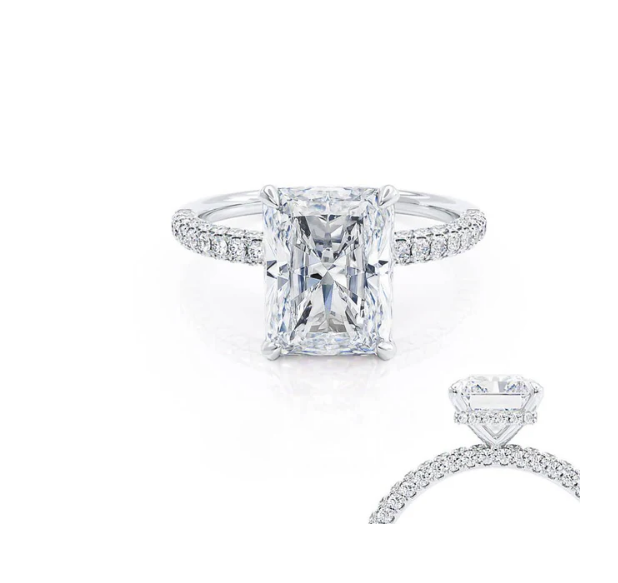
In the evolving world of premium goods and modern aesthetics, refined craftsmanship has become the true measure of luxury. This shift is evident in how consumers evaluate quality, durability and authenticity, particularly when exploring brands like lily arkwright where attention to detail and artisanal care play a central role in shaping the perception of value. In an age where mass production often dominates the market, the desire for meticulous handwork and thoughtful design has never been stronger.
Contemporary luxury transcends the simple possession of an expensive item. It is shaped by the story behind the object, the precision with which it has been created and the human skill embedded in every feature. Refined craftsmanship represents time, effort and mastery. These qualities give luxury products their emotional depth, turning them into meaningful investments rather than fleeting purchases. When something is created with intention, its value resonates beyond material characteristics, capturing a sense of permanence in a fast moving world.
One of the defining features of modern luxury is the return to slow creation. Consumers increasingly seek items that have been developed through careful processes rather than rushed assembly. Whether it is fine jewelry, bespoke fashion, high end furniture or artisanal accessories, refined craftsmanship ensures that each component is thoughtfully considered. Materials are selected with purpose, and makers rely on years of experience to shape, finish and perfect each piece. This emphasis on process rather than speed cultivates a deeper connection between creator, product and owner.
Refined craftsmanship also enhances longevity, a crucial element of contemporary luxury. Modern buyers look for goods that will endure both stylistically and physically. A handcrafted piece tends to be constructed with methods that prioritize integrity and resilience. This focus on durability reflects a more conscious approach to consumption, one that values lasting quality over disposable excess. In this way, craftsmanship aligns seamlessly with both sustainability and long term satisfaction.
Another reason refined craftsmanship defines contemporary luxury is the individuality it provides. Items made with skilled hands often carry subtle variations, making each piece unique. This uniqueness stands in contrast to uniform products produced at scale. In a culture where personalization and self expression matter greatly, owning an item shaped by human artistry allows individuals to express their identity. The imperfections and nuances of handcrafted work are not flaws but signatures of authenticity.
Moreover, craftsmanship elevates luxury by integrating tradition with innovation. Many contemporary makers blend time honored techniques with modern technologies to produce exceptional results. This fusion allows luxury brands to honor heritage while staying relevant in a forward looking industry. The balance between old and new gives products richness and depth, appealing to consumers who want both authenticity and modern functionality.
Refined craftsmanship also fosters emotional engagement. When buyers understand the effort behind a piece, they develop a stronger appreciation for it. This emotional dimension transforms the item from a simple purchase into a symbol of artistry and dedication. Luxury in this sense becomes experiential, rooted not only in ownership but in admiration for human skill.
Ultimately, refined craftsmanship defines contemporary luxury because it represents more than aesthetics or price. It embodies care, mastery, heritage and individuality. It is the reason certain items remain cherished for decades and why consumers increasingly prioritize meaningful quality over mass produced glamour. As modern luxury continues to evolve, craftsmanship remains its most enduring and essential foundation.

