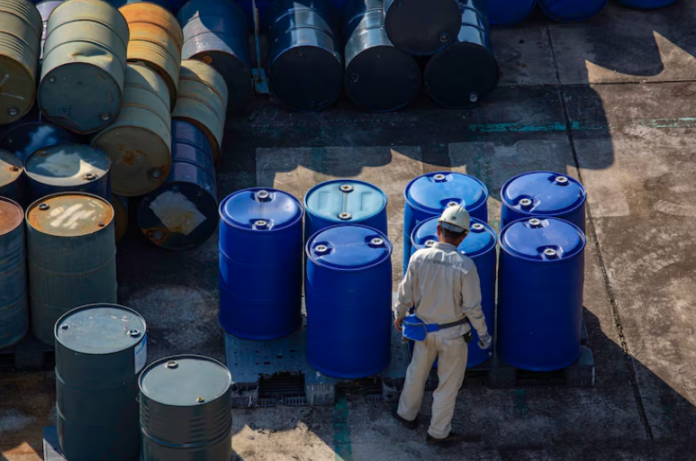
API 653 storage tank inspection refers to the certified process of evaluating the integrity of aboveground storage tanks, as outlined by the American Petroleum Institute. These tanks store hazardous and non-hazardous fluids, and over time, wear and corrosion can affect their structural reliability. Regular inspections under API 653 help detect early signs of damage, maintain safety, and prevent environmental incidents.
Minimizing Costly Downtime With Scheduled Tank Inspections
Downtime in industrial operations is a money-draining event. Every hour that a storage tank is out of commission can mean lost production, delayed processes, or interrupted supply chains. By conducting API 653 storage tank inspection on a set schedule, businesses can prevent surprise failures.
Inspections catch issues before they escalate into full-blown shutdowns. Small repairs can be managed during planned maintenance windows, rather than during crisis moments. This planning improves workflow continuity and preserves client confidence.
Extending Equipment Life And Delaying Replacement Costs
Storage tanks are expensive to fabricate and install. A full tank replacement can run into hundreds of thousands of dollars. Through regular API 653 inspections, companies can maximize the usable life of these assets.
The inspections involve detailed assessments of the tank shell, floor, roof, and foundation. If corrosion, thinning, or weld defects are found early, targeted repairs can extend the life of the tank by years. In economic terms, that translates to major cost savings over time and better capital expenditure planning.
Reducing Liability And Avoiding Fines
Failure to inspect can lead to catastrophic events—tank collapses, fluid leaks, or fires. When accidents happen due to negligence, the legal and regulatory consequences are severe. Industrial operators may face government fines, environmental cleanup costs, and even litigation from affected parties.
Regular API 653 storage tank inspection ensures compliance with environmental and safety regulations. This not only protects the workforce and the surrounding community but also shields the company from avoidable financial risks.
Improving Insurance And Risk Management Outcomes
Insurance companies evaluate industrial risk when pricing premiums. Facilities that lack documented inspection programs are viewed as high risk. As a result, they often face steeper insurance costs.
Conversely, companies that maintain API 653 inspection records demonstrate a strong commitment to operational integrity and risk reduction. This transparency can lead to lower insurance premiums and better relationships with underwriters. It also strengthens a facility’s resilience against sudden disaster.
Enhancing Operational Efficiency And Planning
Data gathered during inspections isn’t just for compliance—it’s a tool for smarter decision-making. Tank inspection reports help engineers and managers understand the condition of their infrastructure. This insight allows for more accurate forecasting, maintenance scheduling, and budget allocation.
Instead of reacting to problems, operations can be fine-tuned using predictive analytics. That leads to better resource allocation, fewer emergency repairs, and more consistent production metrics. In today’s competitive markets, that edge can significantly impact the bottom line.
Conclusion
The economic impact of regular API 653 storage tank inspection extends far beyond the cost of hiring an inspector. It safeguards equipment, preserves budgets, protects human lives, and strengthens long-term business performance. In industries where margins are tight and risks are high, inspection isn’t just a technical necessity—it’s a smart business move.

